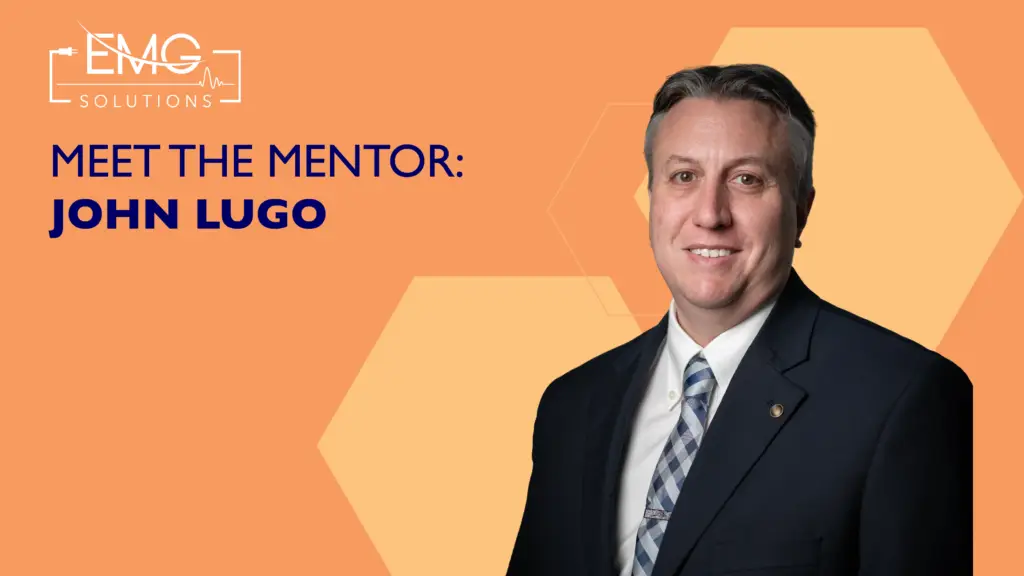
How did you become interested in electrodiagnostic testing?
In my entry-level PT program, I took an elective class on EMG/NCS with Roger Nelson and Arthur Nelson, two physical therapist pioneers in clinical electrophysiology. After that semester, Roger Nelson offered to support me with continued education and training in EMG/NCS, so I followed that through PT school and after graduation.
What was your learning process to become certified in clinical electrophysiology? How long did it take you to complete the ECS?
There were no approved residency programs in clinical electrophysiology, but there were several post-graduate continuing education programs available. I completed training in the program that was coordinated by Roger and Art and started performing NCS/EMG tests part-time in addition to working in other areas of physical therapy practice. After 5 years of part-time practice, I had accumulated enough studies and hours of practice to sit for the certification exam offered by the ABPTS.
How many years of experience do you have as an ECS Physical Therapist?
I obtained initial ECS Certification 15 years ago and was recertified 5 years ago.
What do you love most about this specialty practice?
Being able to provide information to the patient and the referring provider that will help guide the patient’s management.
If there is one thing that you would change within the specialty of EDX, what would that be?
Increase the exposure of clinical electrophysiology to students in physical therapy school and provide more opportunities for students to practice clinical electrophysiology during clinical experiences.
Do you see Physical Therapists specializing in EDX as a growing need?
Yes, since the number of physician practitioners of EMG is decreasing, but patients with suspected neuropathies and myopathies will still need the results of the test to help guide their management, so this will be a needed area of practice.
What would be your words of advice/wisdom/inspiration to PTs who are interested in becoming certified in clinical electrophysiology?
Establish a connection with good mentor(s), but do not be afraid to ask them for their rationale for why they practice the way they do.
Any additional thoughts or comments?
Practice and repetition are key elements to learning skills, but do not forget the importance of thinking about what you are doing and what it means.
This blog is a feature from Edition 9 of our newsletter, which you can find here.