A History of the Award-Winning Physical Therapy Student Clinical Education Program at EMG Solutions
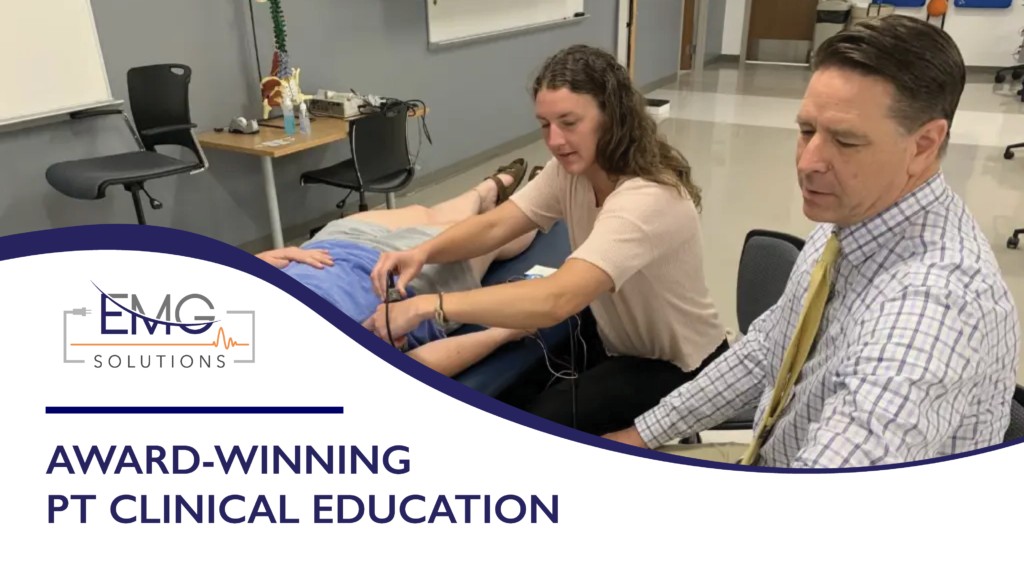
The EMG Solutions clinical education program began in July 2023. Since its inception, the program has entered into agreements with 23 entry level Doctor of Physical Therapy programs to accept students for clinical experiences (CEs). As of July 2026, 10 students from 6 different programs have completed or will complete CEs engaging in clinical electrodiagnostic […]
What to Expect During an EMG and Nerve Conduction Study
Electrodiagnostic testing can feel unfamiliar. Clear expectations reduce anxiety. This guide explains what EMG and NCS measure, how the visit runs step by step, common sensations, safety, preparation, timing, and results. EMG Solutions provides EMG and NCS testing in-office or at our clinical centers. Board-certified examiners. Same-day reports to the referring clinician. Efficient scheduling and […]
When a Pinched Nerve Shows Up on EMG (and When It Won’t)
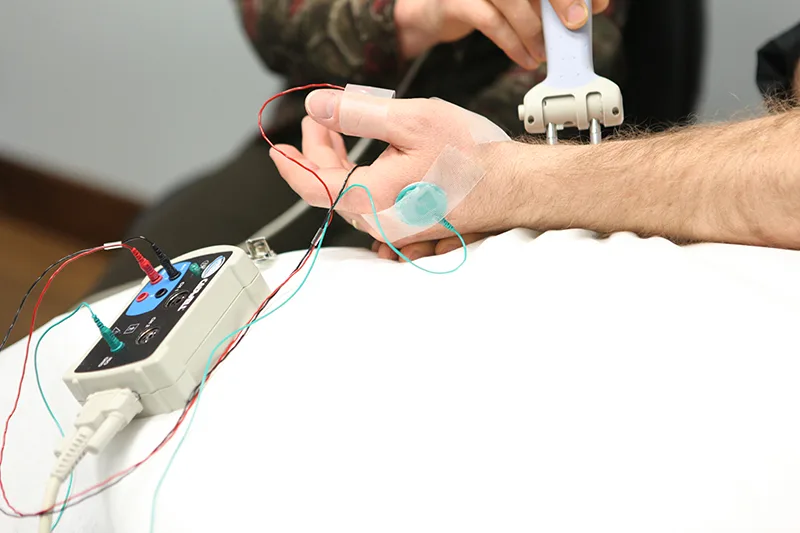
This article explains how electromyography and nerve conduction studies detect a pinched nerve, and why results depend on axonal injury, timing, and muscle selection. It clarifies differences between radiculopathy and peripheral entrapment, why sensory studies can be normal in root lesions, and how EMG findings complement imaging and clinical history to guide diagnosis and care decisions.
Cubital Tunnel vs Mimics: How EMG NCS Clarifies Diagnosis
This article explains how to distinguish cubital tunnel syndrome from common mimics such as C8-T1 radiculopathy, Guyon’s canal entrapment, and thoracic outlet involvement. It reviews early and progressive symptoms, targeted physical examination, and how EMG with nerve conduction studies localizes the lesion, grades severity and chronicity, and supports referral decisions and surgical planning.
EMG vs. NCS: When you need one, the other, or both
This guide explains how electromyography and nerve conduction studies work together to answer key diagnostic questions that imaging and exam alone can miss. You’ll learn what each test measures, when NCS alone may suffice, and when pairing with EMG is essential. Clinical examples such as carpal tunnel syndrome, radiculopathy, and fibular neuropathy show how combined testing improves localization, severity grading, and prognosis.
Resident Spotlight: Ben Wynn, PT, DPT
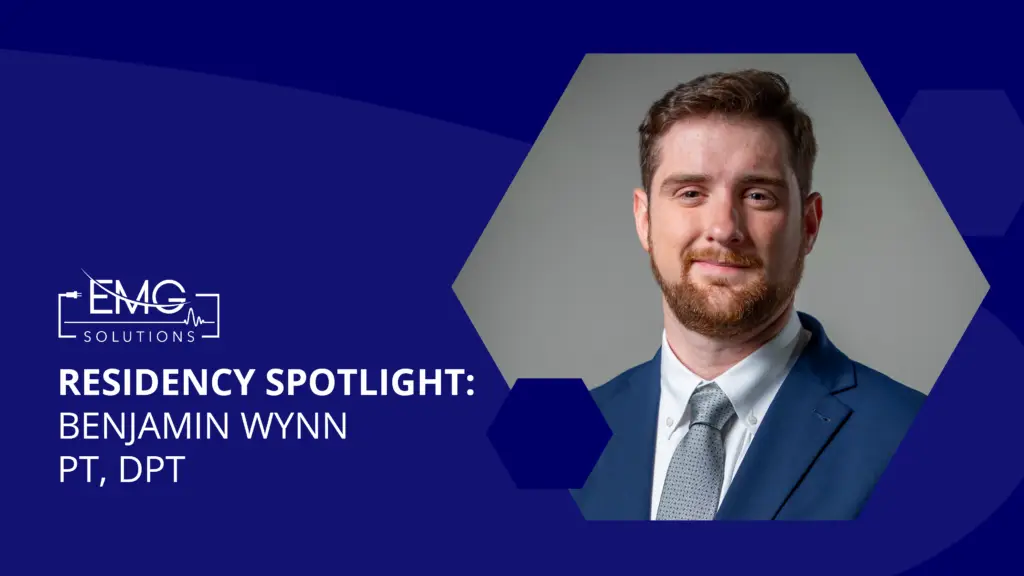
Where did you receive your DPT degree, and what led you to the PT profession? I received my DPT from Mercer University in Atlanta, GA, in May 2025. I have many reasons why I chose physical therapy. The number one reason is that it is a profession in which you get a lot of one-on-one […]
Meet the Mentor: John Lugo, PT, DPT, ECS, Clinical Education and Residency Coordinator
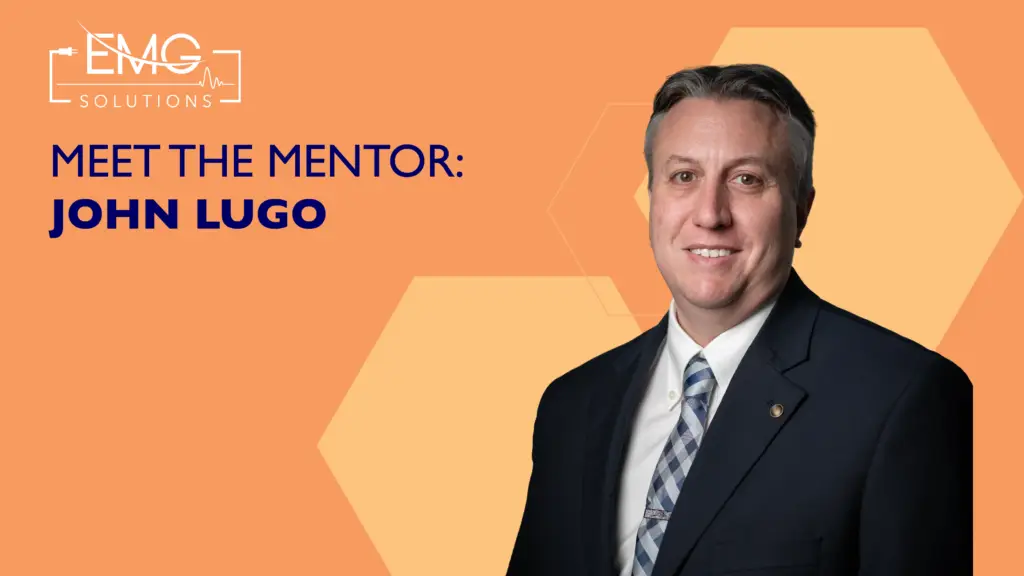
How did you become interested in electrodiagnostic testing? In my entry-level PT program, I took an elective class on EMG/NCS with Roger Nelson and Arthur Nelson, two physical therapist pioneers in clinical electrophysiology. After that semester, Roger Nelson offered to support me with continued education and training in EMG/NCS, so I followed that through PT […]
Beyond the Muscle: How Electrodiagnostic Testing Expands the PT’s Role in Patient Care
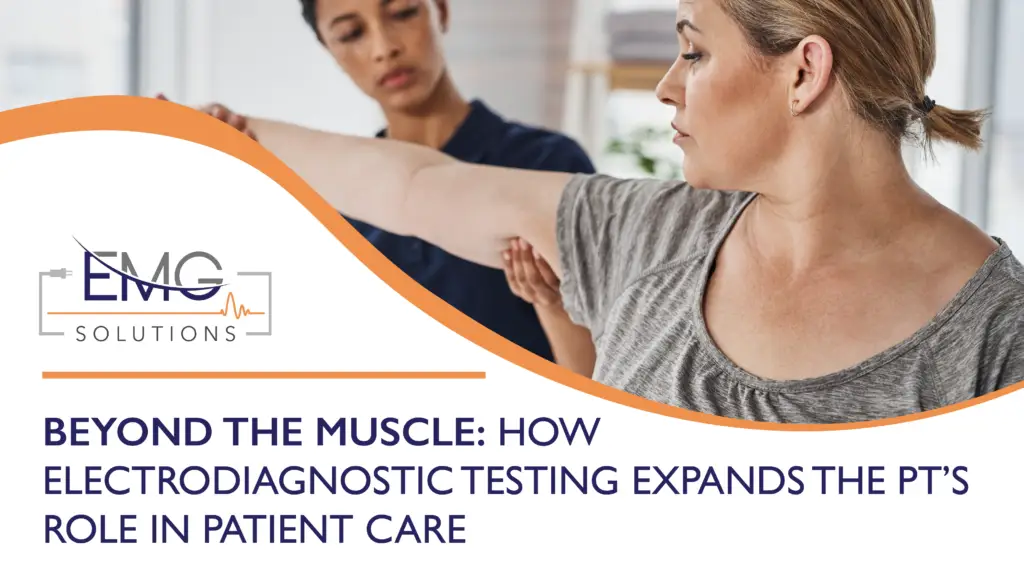
By Drayton Perkins, PT, DPT, ECS | EMG Solutions Most physical therapy students begin their training focused on the world of orthopedic movement and musculoskeletal mechanics. They learn how muscles, joints, and connective tissues interact and what happens when those systems break down. But sometimes, what looks like an orthopedic problem actually starts somewhere entirely […]
Residency Spotlight: Megan Gold, PT, DPT
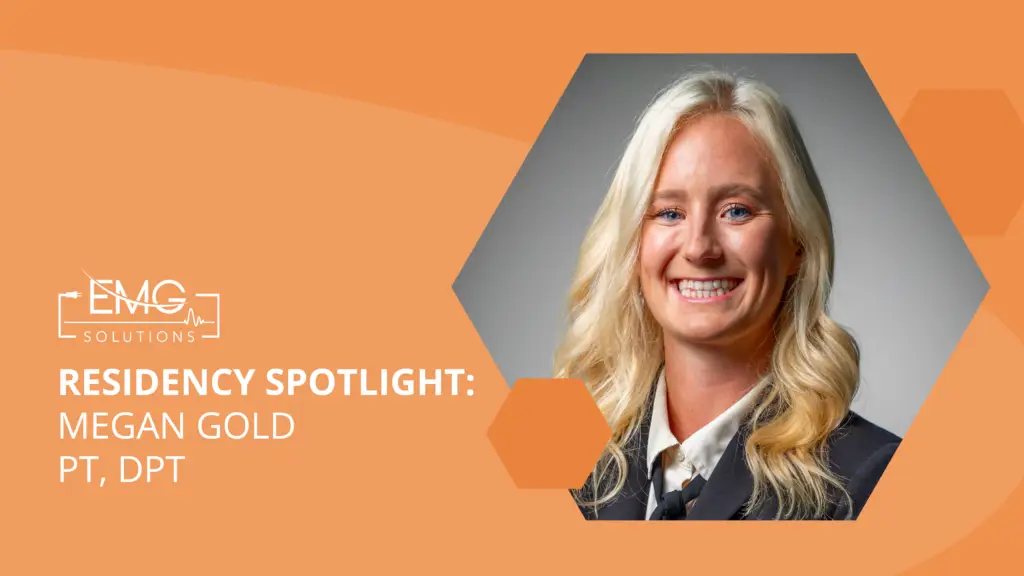
An interview with Megan Gold, PT, DPT about her clinical electrophysiology residency with EMG Solutions and all that she has learned. Where did you receive your DPT degree, and what led you to the PT profession? I received my Doctor of Physical Therapy degree from Rocky Mountain University of Health Professions in Provo, Utah. I […]
Residency Spotlight: Timothy Dau, PT, DPT
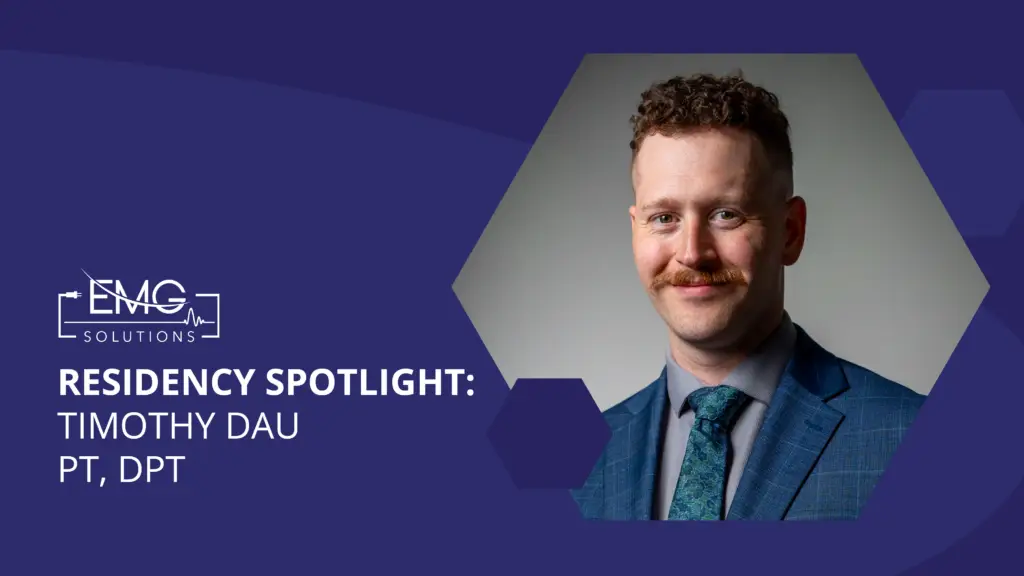
Timothy Dau, PT, DPT, completed his clinical electrophysiology residency with the EMG Solutions Residency Program and shared valuable insights in what he learned. Where did you receive your DPT degree, and what led you to the PT profession? I received my DPT at Rocky Mountain University of Health Professions in Provo, Utah. I came to […]