
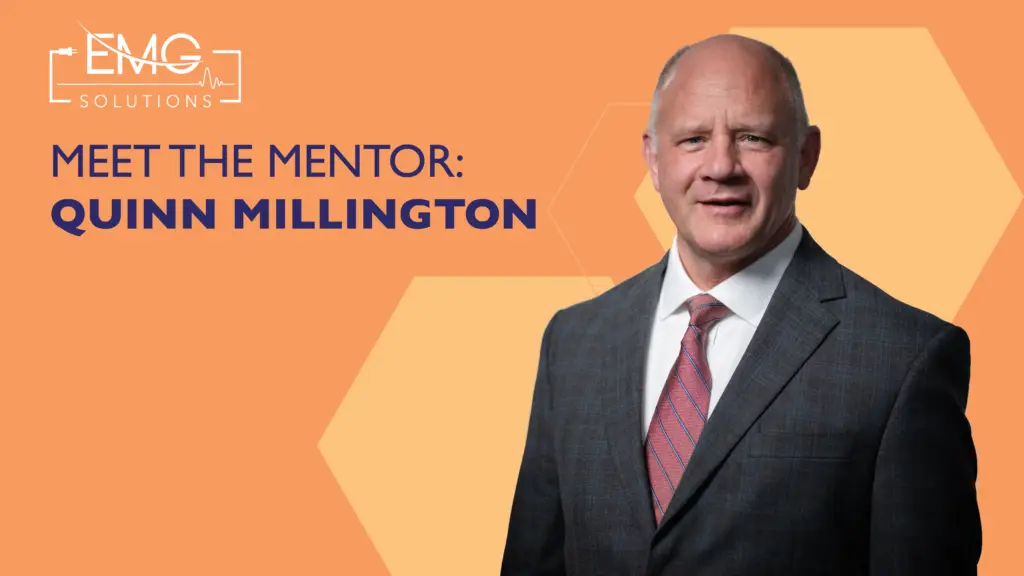
How did you become interested in EMG/NCS?
I was first introduced to electrodiagnostic testing as a student at the University of Alabama at Birmingham. The idea of being able to understand the nerve function, the interaction between the nerve of the muscle, and use that to work backward and identify pathology was absolutely fascinating to me.
What was your learning process to become certified in Clinical Electrophysiology? How long did this take you?
There were no residency programs. Mine was entirely based on a combination of self-study and mentorship. Fortunately, I had access to some talented electromyography was early in my career who helped me along the way. Most of the work, however, was done by self-study. It took me about five years of diligent effort to complete the requirements to sit for the exam.
How many years of experience do you have as an ECS Physical Therapist?
I have been doing electrodiagnostic testing since 1992. I guess that makes it 33 years.
What do you love most about this practice?
We deal in objective data. While there is some gray area at times, most of our data is very absolute and points us in a very definitive direction. We also provide data and draw conclusions that significantly influence surgical decisions and medical care.
If there is one thing that you would change, what would that be in the specialty of EMG?
On one hand, I am adamant that significant training, mentorship, and preferably a residency are critical components of being absolutely qualified to do electrodiagnostic testing. On the other hand, insurance requirements are such that it’s difficult for an individual who’s working on becoming board-certified to get the number of tests required without a mentor who is board-certified working very closely with them.
Do you see Physical Therapists in the specialty of EMG as a growing need?
Absolutely. Physical Therapy training places us in a unique position. We have an in-depth understanding of anatomy, physiology, pathology, and critical thinking. A physical therapist is trained to look for and identify patterns. We are very good at our clinical assessment. For the most part, physical therapists are also very good communicators.
What would be your words of advice/wisdom/inspiration to PTs who are interested in becoming certified in clinical electrophysiology?
A residency is absolutely the best solution. A residency in my mind means that you basically reside within that discipline for a period of time while developing appropriate competencies. It is not meant to be easy; it is meant to help one become exceptional in that discipline. Be diligent, and it is worth the journey.
Any additional thoughts/comments?
If you’re curious about the practice of electrodiagnostic testing and physical therapy, let us know. We can arrange time for a student or other interested party to shadow one of our providers. We can also take a phone call or schedule a video call and answer any questions you may have. It is a growing part of the physical therapy practice. We are at the forefront. We foresee this continuing to expand.
To learn more about EMG Solutions’ Clinical Electrophysiology Residency or to explore student clinical rotation opportunities, visit emgsolutions.com.